How to care for ZZ Plant (The Ultimate Beginner’s Guide)
Welcome to our comprehensive guide on caring for your Zamioculcas zamiifolia! If you’re new to indoor gardening, the ZZ plant is an excellent choice due to its low-maintenance requirements and stylish appearance.
This guide will walk you through everything you need to know to keep your ZZ plant thriving. From understanding its basic needs to troubleshooting common issues, we’ve got you covered. With its shiny leaves and ability to survive in various conditions, it’s perfect for busy people or those new to plant care.
By following this guide, you’ll learn how to care for your ZZ plant effectively, ensuring it remains a beautiful and healthy addition to your home or office.
Table of Contents
Meet the ZZ Plant: Your New Low-Maintenance Friend
For those new to plant care, the ZZ Plant offers a forgiving and stylish introduction to the world of indoor gardening. With its ability to thrive in a variety of conditions, it’s no wonder this plant has become a favorite among beginners and seasoned plant enthusiasts alike.
What is a Zamioculcas Zamiifolia?
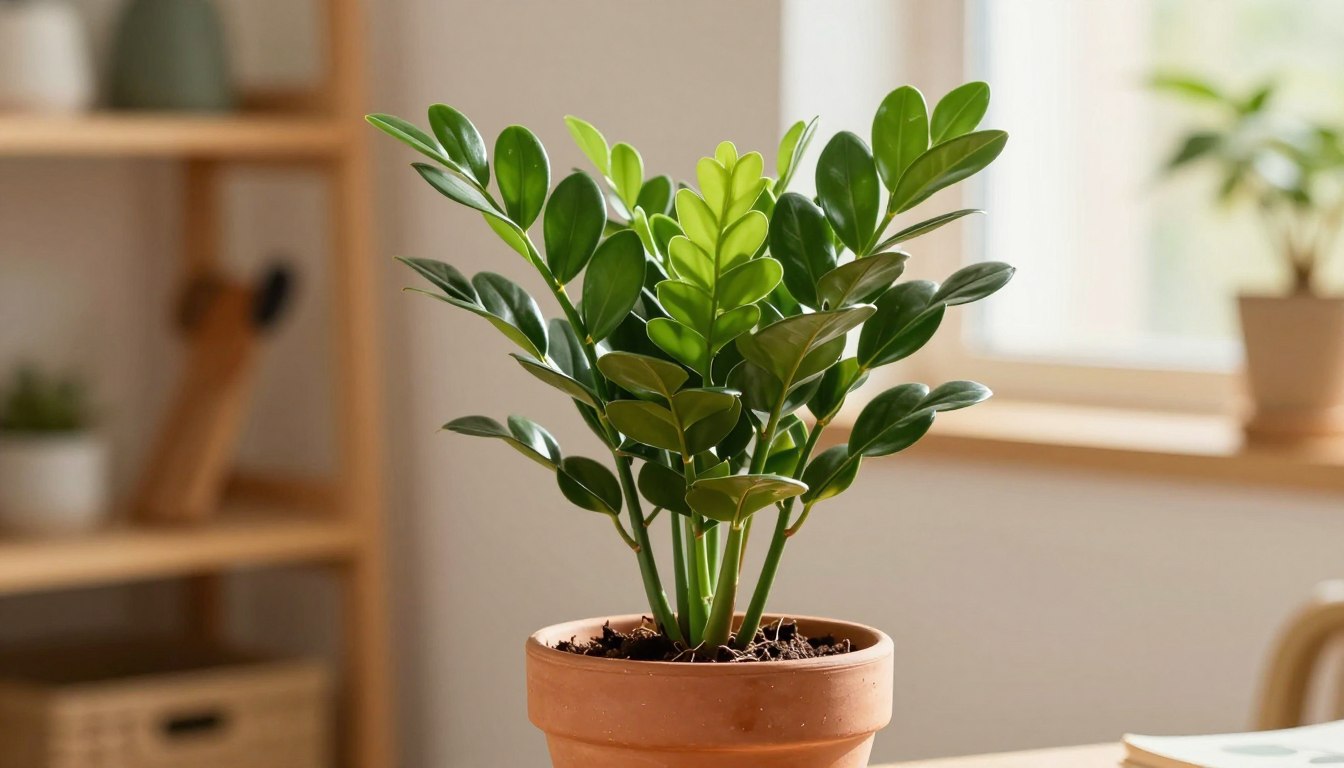
The Zamioculcas zamiifolia, commonly known as the ZZ Plant, is a species of plant that has gained popularity for its low-maintenance requirements and stylish appearance. It’s a type of plant that can survive with minimal care, making it perfect for busy individuals or those who tend to forget to water their plants from time to time.
Origins and Natural Habitat
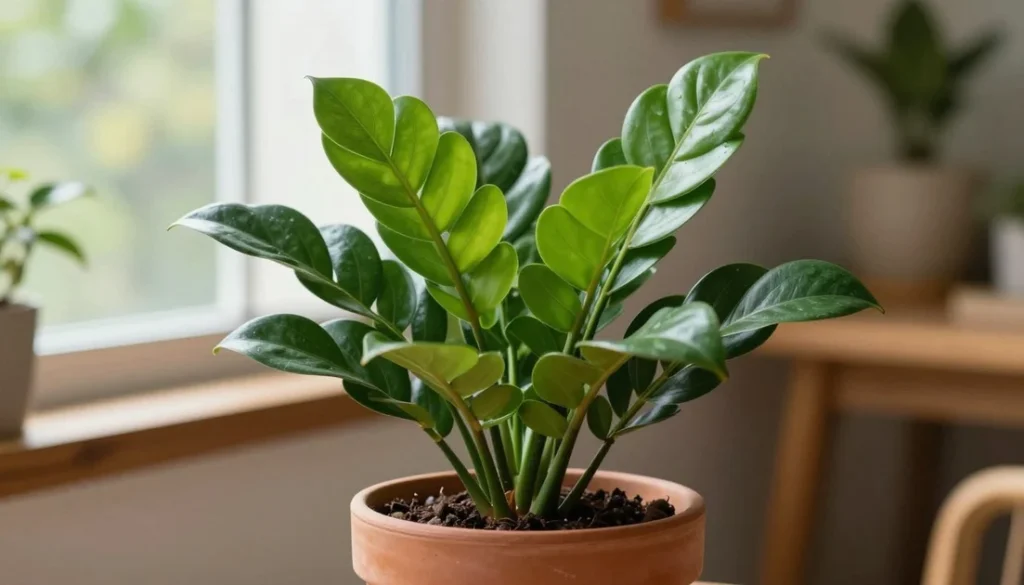
The ZZ Plant is native to East Africa, where it has adapted to survive in a variety of conditions. In its natural habitat, the plant is accustomed to periods of drought and can thrive in low-light conditions, making it an ideal choice for indoor spaces with limited natural light.
“The ZZ Plant is a great choice for indoor spaces due to its ability to purify the air and thrive in low-light conditions.”
Why ZZ Plants Are Perfect for Beginners
One of the key reasons ZZ Plants are ideal for beginners is their ability to tolerate neglect. They can survive with infrequent watering, low light, and a range of temperatures. Here are some key benefits:
| Benefit | Description |
| Low Maintenance | Can thrive with infrequent watering and low light |
| Forgiving | Tolerates neglect and can recover from mistakes |
| Adaptable | Can survive in a range of temperatures and conditions |
Overall, the ZZ Plant is a great choice for anyone looking to bring some greenery into their home or office without the hassle of high maintenance.
Popular ZZ Plant Varieties
Beyond the standard ZZ plant, there are several other captivating varieties to discover, each offering unique characteristics that can enhance your indoor space.
ZZ Plant ‘Raven’
The ZZ Plant ‘Raven’ is a striking variety, known for its dark, almost black leaves that add a dramatic touch to any room. This variety is perfect for those looking to add a bold statement piece to their decor.
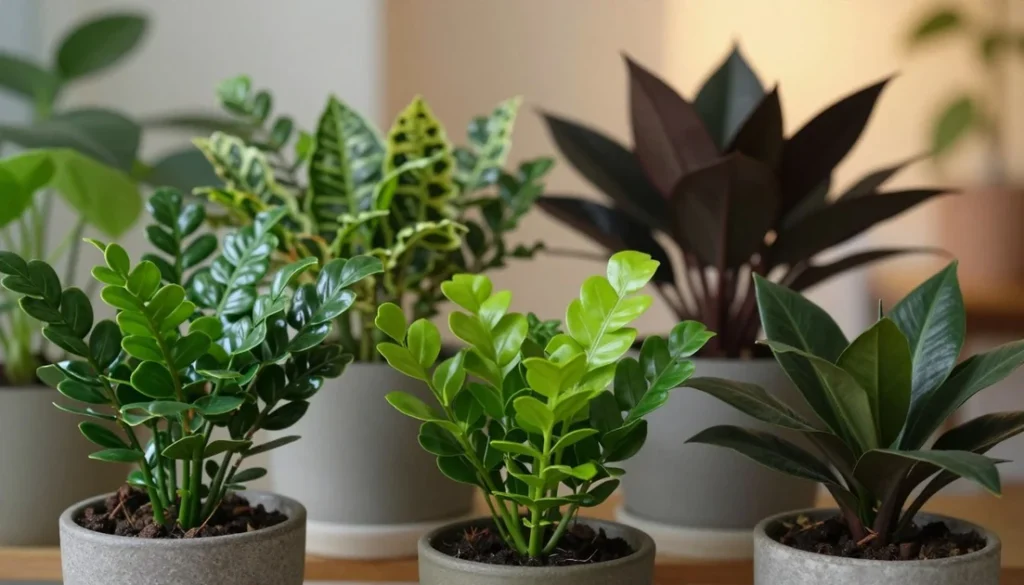
ZZ Plant ‘Zenzi’
For those with limited space, the ZZ Plant ‘Zenzi’ is an ideal choice. This compact variety retains the low-maintenance charm of the standard ZZ plant but in a smaller, more compact form.
ZZ Plant ‘Lucky’
The ZZ Plant ‘Lucky’ is another popular variety, recognized for its upright growth habit. It’s a great option for those looking for a plant that can grow upwards, adding a vertical element to their indoor garden.
Standard ZZ Plant
The Standard ZZ Plant remains a favorite among plant enthusiasts. Its glossy leaves and robust nature make it a timeless choice for indoor decor.
By exploring these different ZZ plant varieties, you can choose the perfect one that suits your style and space, ensuring you get the most out of your ZZ plant care efforts.
ZZ Plant Light Requirements: Finding the Perfect Spot
One of the key factors in ZZ plant care is understanding its light requirements to ensure optimal growth and health. While ZZ plants are known for their adaptability to different light conditions, they still have preferences that, when met, result in a healthier and more vibrant plant.
Ideal Light Conditions
ZZ plants thrive best in bright, indirect light. This means placing them near a window that receives plenty of sunlight but using a sheer curtain to filter the direct rays. Direct sunlight can be too harsh and may cause the leaves to become scorched.
Signs of Too Much or Too Little Light
If your ZZ plant is receiving too little light, it may become leggy or its leaves may turn pale. On the other hand, too much direct sunlight can cause the leaves to develop brown spots or become burned. Monitoring your plant’s response to its lighting conditions is crucial.
Can ZZ Plants Survive in Low Light?
Yes, ZZ plants are known for their ability to survive in low light conditions, making them an excellent choice for rooms that don’t receive a lot of natural light. However, their growth may slow down, and they might not be as lush.
Seasonal Light Adjustments
As the seasons change, so does the light in your home. During the winter months, you might need to adjust the position of your ZZ plant to maximize the available light. In the summer, protecting it from intense sunlight becomes more critical.
Watering Your ZZ Plant: The Less-Is-More Approach
The key to a thriving ZZ plant lies in understanding its watering needs. ZZ plants are adapted to survive in dry conditions, making them forgiving if you forget to water them from time to time.
How Often to Water
Water your ZZ plant when the soil feels dry to the touch, usually every 1-2 weeks in the summer and less often in the winter. It’s essential to check the soil moisture by inserting your finger into the soil up to the first knuckle.
Signs of Overwatering
Overwatering can lead to root rot, a common issue with ZZ plants. Signs include yellowing leaves, soft stems, and a mushy stem base. If you notice these symptoms, stop watering immediately and allow the soil to dry out.
Drought Tolerance and Recovery
ZZ plants are drought-tolerant due to their rhizomatous roots, which store water. If your ZZ plant has been underwatered, it can recover quickly once watered. However, it’s crucial to avoid overwatering during the recovery phase.
Seasonal Watering Adjustments
Adjust your watering schedule according to the season. During the growing season (spring and summer), your ZZ plant may need more frequent watering, while in the dormant season (fall and winter), it requires less.
Best Watering Techniques
The best way to water your ZZ plant is to water thoroughly until water drains out of the bottom of the pot, then let the soil dry out completely before the next watering. This encourages healthy root growth and prevents waterlogged soil.
- Water thoroughly until water drains out.
- Allow the soil to dry out completely between waterings.
- Reduce watering in the winter months.
The Best Soil for ZZ Plants
Choosing the right soil for your ZZ Plant is crucial for its survival and overall health. The right soil composition can help prevent common issues such as root rot, ensuring your plant thrives.
Soil Composition and Drainage
A well-draining soil mix is essential for ZZ Plants. These plants are prone to root rot if the soil is too wet for too long. A mix that includes ingredients like perlite or vermiculite can help improve drainage.
DIY ZZ Plant Soil Mix
Creating your own ZZ Plant soil mix can be a cost-effective way to ensure you’re using the right ingredients. Here’s how you can do it:
Ingredients List
- 2 parts peat moss or coconut coir
- 1 part perlite
- 1 part vermiculite
Mixing Instructions
Combine the peat moss or coconut coir, perlite, and vermiculite in the specified ratios. Mix well until you have a uniform blend. This mix will provide the necessary drainage while retaining enough moisture for your ZZ Plant.
Commercial Soil Recommendations
If you prefer not to create your own mix, there are several commercial options available. Look for a potting mix specifically designed for indoor plants, as these typically have the right balance of drainage and moisture retention.
| Soil Mix | Drainage | Moisture Retention |
| DIY Mix | Excellent | Good |
| Miracle-Gro Indoor Potting Mix | Good | Excellent |
| Black Kow All Purpose Potting Mix | Excellent | Good |
Temperature and Humidity Needs
To keep your ZZ Plant happy, it’s essential to understand its temperature and humidity requirements. While ZZ Plants are known for their adaptability, providing the right environment can significantly enhance their health and appearance.
Ideal Temperature Range
The ideal temperature range for ZZ Plants is between 65°F to 75°F (18°C to 24°C). They can tolerate a slight drop in temperature but should be kept away from drafts and extreme temperatures.
Humidity Preferences
ZZ Plants prefer a relatively low humidity environment, making them suitable for average indoor conditions. You don’t need to worry about maintaining high humidity levels, but ensuring good air circulation can be beneficial.
Protecting Your ZZ Plant from Drafts and Extreme Conditions
To protect your ZZ Plant from drafts and extreme conditions, keep it away from windows, doors, and air conditioning vents. This will help maintain a stable environment and prevent stress to the plant.
By understanding and meeting the temperature and humidity needs of your ZZ Plant, you can help it thrive and enjoy its beautiful foliage for years to come.
Fertilizing Your ZZ Plant
To keep your ZZ Plant thriving, understanding how and when to fertilize is essential. Fertilization supports the plant’s growth, especially during its active growing season.
When and How to Fertilize
Fertilize your ZZ Plant during the spring and summer months when it’s actively growing. Use a balanced, water-soluble fertilizer diluted to half the recommended strength to avoid burning the roots.
Best Fertilizers for ZZ Plants
A balanced fertilizer with equal parts nitrogen, phosphorus, and potassium (NPK) is ideal. You can choose between synthetic and organic fertilizers; however, organic options like compost tea can provide additional benefits.
Signs of Over-fertilization
Watch out for signs of over-fertilization, such as yellowing leaves or burned roots. If you notice these symptoms, flush the soil with water to remove excess fertilizer.
Seasonal Fertilizing Schedule
- Spring and Summer: Fertilize once a month.
- Fall and Winter: Reduce fertilizing to once every 2-3 months or stop altogether, as the plant is dormant.
By following this fertilizing schedule and being mindful of the signs of over-fertilization, you can ensure your ZZ Plant remains healthy and thrives.
How to Repot a ZZ Plant: Step-by-Step Guide
To keep your ZZ plant thriving, you’ll need to repot it periodically, and here’s how to do it right. Repotting is essential for refreshing the soil, inspecting the roots, and providing a larger pot if necessary.
When to Repot
The best time to repot your ZZ plant is in the spring or summer when it’s actively growing. Check for signs that the plant has outgrown its container, such as the soil drying out too quickly or the roots growing out of the drainage holes.
Choosing the Right Pot
Select a pot that is only slightly larger than the current one. A pot that is too big can cause the soil to become too wet, leading to root rot. Ensure the new pot has good drainage holes to prevent waterlogged soil.
The Repotting Process
Materials Needed
- A new pot with drainage holes
- Fresh, well-draining soil
- Gloves (optional)
Step-by-Step Instructions
- Remove the ZZ plant from its pot, taking care not to damage the roots.
- Inspect the roots and trim any that are rotting or damaged.
- Place the plant in the new pot and fill with fresh soil, gently firming it around the roots.
- Water the plant thoroughly after repotting.
Post-Repotting Care
After repotting, keep the soil moist but not waterlogged. Monitor your ZZ plant for any signs of stress and adjust its care accordingly. With proper care, your ZZ plant will continue to thrive in its new pot.
ZZ Plant Propagation Methods
Propagating your ZZ Plant can be a fun and rewarding experience, allowing you to share plants with friends or expand your collection. There are two main methods to propagate a ZZ Plant: division and leaf cuttings. Understanding these methods will help you successfully grow new plants.
Propagation by Division
Division is a straightforward method that involves separating the roots of a mature ZZ Plant to create new plants. This method is particularly effective for plants that have become pot-bound.
Step-by-Step Division Process
To propagate your ZZ Plant by division, follow these steps:
- Carefully remove the plant from its pot, taking care not to damage the roots.
- Gently separate the roots, making sure each section has at least one growing stem.
- Repot the separated sections in well-draining soil, water thoroughly, and keep the soil moist until new growth appears.
Propagation by Leaf Cuttings
Leaf cuttings are another effective way to propagate ZZ Plants. This method involves cutting a healthy leaf from the mother plant and encouraging it to grow roots.
Water Propagation Method
To propagate using the water method:
- Cut a healthy leaf from the ZZ Plant just above a node.
- Place the cut end in a glass of water, making sure the node is submerged.
- Change the water weekly to prevent bacterial growth.
- Roots should develop within a few weeks.
Soil Propagation Method
For soil propagation:
- Cut a leaf as described above.
- Allow the cut end to dry for a few hours to form a callus.
- Plant the leaf in moist, well-draining soil, burying it up to the node.
- Keep the soil consistently moist until roots develop.
Propagation Timeline and Expectations
The time it takes for ZZ Plant cuttings to develop roots can vary, typically taking a few weeks to a few months. Be patient and maintain optimal conditions for the best results. With proper care, your newly propagated plants will thrive and become healthy, mature ZZ Plants.
Common ZZ Plant Problems and Solutions
Despite being resilient, ZZ plants can face various issues, including yellowing leaves and pest infestations, which can be effectively managed with the right knowledge. Understanding these common problems and their solutions will help you keep your ZZ plant healthy and thriving.
Yellowing Leaves
Yellowing leaves on a ZZ plant can be caused by overwatering, underwatering, or exposure to extreme temperatures. To address this issue, check your watering schedule and adjust it accordingly. Ensure that your plant is not sitting in waterlogged soil and that it’s receiving the right amount of light.
Brown Spots and Leaf Tips
Brown spots or tips on ZZ plant leaves can result from overwatering, low humidity, or exposure to direct sunlight. To resolve this, inspect your watering routine and adjust your plant’s placement to a spot with bright, indirect light.
Stem Rot and Root Issues
Stem rot and root issues are often caused by overwatering, leading to root rot. To prevent this, ensure that your ZZ plant is potted in well-draining soil and avoid watering too frequently. If you suspect root rot, repot your plant in fresh soil, removing any rotting roots.
Pest Management
Pests can be a problem for ZZ plants, with common pests including spider mites, mealybugs, and scale. Regularly inspect your plant for signs of infestation.
Common Pests
- Spider mites
- Mealybugs
- Scale
Natural and Chemical Treatments
For natural treatment, use neem oil or insecticidal soap. For more severe infestations, chemical pesticides may be necessary. Always follow the product’s instructions and take necessary precautions to avoid harming your plant.
| Pest | Signs of Infestation | Treatment |
| Spider mites | Fine webbing on leaves, yellowing | Neem oil, insecticidal soap |
| Mealybugs | White, cottony patches on leaves | Neem oil, insecticidal soap |
| Scale | Brown or black bumps on stems | Insecticidal soap, horticultural oil |
Disease Prevention and Treatment
Preventing disease in ZZ plants involves maintaining good hygiene, ensuring proper watering, and providing adequate light. If your plant does develop a disease, treat it promptly by adjusting its care and, if necessary, using fungicides.
ZZ Plant Growth Patterns and Expectations
Understanding the growth patterns of your ZZ plant is crucial for providing the best care. ZZ plants are known for their slow and steady growth, which makes them ideal for busy plant owners.
Typical Growth Rate
The ZZ plant grows relatively slowly, typically increasing in height by about 1-2 inches per year. This slow growth rate means they don’t need frequent repotting or constant pruning.
Seasonal Changes
While ZZ plants are adapted to indoor conditions, they can still be affected by seasonal changes. During the spring and summer, they may grow slightly faster due to increased light and temperatures.
Encouraging Fuller Growth
To encourage fuller growth, ensure your ZZ plant is receiving adequate light, though it can tolerate low light conditions. Rotating the plant occasionally can also help maintain its shape.
Pruning and Maintenance
Pruning is not frequently needed for ZZ plants, but removing any yellow or damaged leaves can help maintain its appearance. Regular dusting of the leaves can also keep your plant looking healthy.
| Maintenance Task | Frequency | Benefit |
| Watering | Every 1-2 weeks | Prevents overwatering |
| Pruning | As needed | Maintains appearance |
| Dusting | Monthly | Keeps leaves healthy |
The Benefits of Having a ZZ Plant in Your Home
Bringing a ZZ plant into your home can have a profound impact on both your physical and mental well-being. This low-maintenance plant is not just a stylish addition to your decor; it offers a range of benefits that can enhance your living space.
Air Purification Properties
One of the most significant advantages of having a ZZ plant is its ability to purify the air. Like many houseplants, ZZ plants absorb toxins and pollutants, improving the indoor air quality. This can lead to a healthier environment, reducing the risk of respiratory issues and other health problems.
Psychological Benefits
Caring for a ZZ plant can also have psychological benefits. The act of nurturing a plant can reduce stress and promote a sense of calm. Being around plants has been shown to boost mood and overall mental well-being.
Decorative Value and Styling Tips
ZZ plants are versatile and can fit into various decor styles. They can be used as a statement piece or blended into a collection of plants. Their glossy leaves add a touch of elegance to any room.
Safety Considerations for Pets and Children
While ZZ plants are beneficial, it’s crucial to consider safety. They can be toxic if ingested, so it’s essential to keep them out of reach of pets and children.
| Benefits | Description |
| Air Purification | Removes toxins and improves indoor air quality |
| Psychological Benefits | Reduces stress and promotes mental well-being |
| Decorative Value | Adds elegance and versatility to home decor |
Conclusion
By now, you’re well-equipped to provide your Zamioculcas zamiifolia with the care it needs to thrive. Remember, zz plant care is all about balance – finding the right light, watering sparingly, and fertilizing occasionally. With these simple steps, you’ll be enjoying the beauty and benefits of your ZZ plant for years to come.
As you’ve learned, ZZ plants are low-maintenance and adaptable, making them perfect for busy people or those new to plant parenthood. By following the guidelines outlined in this ultimate beginner’s guide, you’ll be able to keep your ZZ plant happy and healthy. Whether you’re looking to purify the air, add some greenery to your space, or simply enjoy the psychological benefits of having plants, your ZZ plant is sure to bring joy and rewards.
As you continue to care for your ZZ plant, don’t be afraid to experiment with propagation or repotting to give your plant a fresh start. With the right care and attention, your Zamioculcas zamiifolia will continue to flourish, providing you with a sense of accomplishment and a deeper connection to the natural world.
FAQ
How often should I water my ZZ plant?
Water your ZZ plant when the soil is dry to the touch, usually every 1-2 weeks in the summer and less often in the winter.
What is the ideal light for a ZZ plant?
ZZ plants prefer bright, indirect light but can tolerate a range of light conditions, including low light.
Can I propagate my ZZ plant?
Yes, you can propagate your ZZ plant by division or leaf cuttings, using either water or soil propagation methods.
Why are my ZZ plant’s leaves turning yellow?
Yellowing leaves can be caused by overwatering, underwatering, or exposure to extreme temperatures; adjust your care routine accordingly.
How do I fertilize my ZZ plant?
Feed your ZZ plant with a balanced, water-soluble fertilizer during the growing season, taking care not to over-fertilize.
Is the ZZ plant toxic to pets and children?
Yes, ZZ plants are toxic if ingested, so keep them out of reach of pets and children to avoid any potential harm.
How do I repot my ZZ plant?
Repot your ZZ plant in the spring when it becomes pot-bound, using a well-draining potting mix and a slightly larger pot.
Can ZZ plants survive in low humidity?
Yes, ZZ plants can tolerate relatively low humidity, but they prefer a humid environment; you can increase humidity around your plant if needed.
What are the benefits of having a ZZ plant?
ZZ plants purify the air, promote psychological well-being, and add a decorative touch to any room, making them a great addition to your home or office.
How fast do ZZ plants grow?
ZZ plants are relatively slow-growing, but they can benefit from pruning and maintenance to encourage fuller growth.